Table of Contents
Toggle10 Facts About SEO Every Website Owner Should Know
If you own a website, you’ve probably heard about SEO — but how much do you really know about it? Search Engine Optimization is one of the most powerful tools in digital marketing, yet many businesses overlook its full potential.
In this blog, we’ll explore 10 facts about SEO that every website owner should know to improve visibility, drive traffic, and boost long-term growth.
SEO is Not a One-Time Task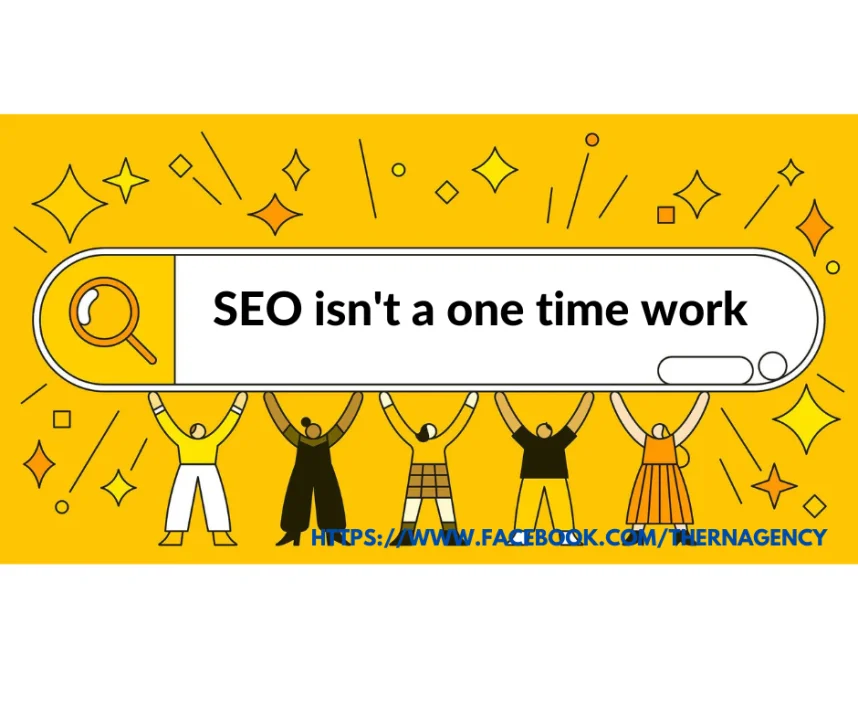
Many people mistakenly view SEO as a one-time task—a checklist to complete and forget. In reality, SEO is an ongoing, evolving process that requires consistent attention and adaptation.
Search engines like Google frequently update their algorithms to deliver more accurate, helpful results to users. What works today may not be as effective six months from now. This means your SEO strategies must stay flexible and up to date to maintain and improve your rankings.
To stay competitive, treat SEO as part of your regular website maintenance. Continually monitor how your content is performing using tools like Google Search Console and Google Analytics. Identify which pages are doing well and which ones need improvement. Regularly refresh your content with updated information, improved readability, new keywords, and better visuals to keep it relevant and engaging.
Tip: Make it a habit to review and update older blog posts, fix broken links, and track keyword rankings at least once a month. By staying proactive and responsive to changes in search engine behavior, you’ll maintain your site’s visibility, grow your traffic, and stay ahead of your competition in the long run.
Google Handles Over 8.5 Billion Searches a Day
Every day, billions of searches are made on Google—each one a potential opportunity for your website to be discovered by the right audience.
Whether users are looking for solutions, products, or information, showing up in search results can drive valuable traffic to your site and help grow your business or brand. However, if your website isn’t properly optimized for search engines, you’re likely to get buried beneath your competitors and miss out on those opportunities.
Tip: Start by conducting keyword research to uncover what your target audience is actively searching for. Understanding their questions, needs, and language helps you create content that matches their intent. Use these insights to strategically include relevant keywords in your titles, headers, content, and meta descriptions. This increases the chances of your site appearing in front of people who are already interested in what you offer—turning search traffic into real engagement and conversions.
Most Users Never Go Past Page One
Studies reveal that over 90% of users never click past the first page of search engine results—meaning if your website isn’t ranking on page one, it’s likely being overlooked.
With so much competition online, simply having a website isn’t enough. You need to ensure it appears where users are most likely to see it: on the first page of Google. That’s where the majority of clicks—and opportunities—happen.
Tip: To increase your chances of ranking on page one, focus on creating high-quality, valuable content that directly answers users’ questions or solves their problems. Combine this with strong on-page SEO practices such as optimizing your title tags, meta descriptions, header structure, internal linking, and keyword usage. Google rewards content that’s useful, relevant, and well-structured, so investing time in these areas can significantly boost your visibility and drive more organic traffic to your site.
Mobile-Friendly Sites Rank Higher
Google now uses mobile-first indexing, meaning it primarily evaluates the mobile version of your website when determining how to rank it in search results.
This shift reflects the reality that the majority of users browse the web on smartphones and tablets rather than desktop computers. If your mobile site is poorly designed, difficult to navigate, or slow to load, it could negatively impact your search rankings—even if your desktop site is perfectly optimized.
Tip: Make sure your website is fully mobile-responsive, meaning it automatically adjusts to fit different screen sizes and functions smoothly on all devices. Use responsive design techniques, readable font sizes, and touch-friendly navigation. Also, ensure your site loads quickly on mobile—ideally in under three seconds—by compressing images, minimizing scripts, and using reliable hosting.
Regularly test your site using tools like Google’s Mobile-Friendly Test and PageSpeed Insights to identify and fix issues. A fast, user-friendly mobile experience not only supports your SEO efforts but also improves engagement and retention among mobile users.
High-Quality Backlinks Are Still Vital
Backlinks—links from other websites pointing to yours—are one of the most powerful and influential ranking factors in search engine optimization (SEO).
They act as votes of confidence, signaling to search engines that your content is trustworthy, authoritative, and worth recommending to users. The more high-quality backlinks your site earns, the more likely it is to climb in search rankings and gain visibility.
However, not all backlinks are created equal. A few links from reputable, relevant websites carry far more weight than dozens of low-quality or spammy links. In fact, poor-quality backlinks can harm your site’s reputation and potentially trigger penalties from search engines.
Tip: Focus on earning backlinks organically by creating valuable, informative, and shareable content that others naturally want to reference. This includes publishing in-depth blog posts, infographics, research studies, how-to guides, or tools that solve real problems for your audience. You can also build links through guest posting on authoritative sites, collaborating with influencers, and engaging in online communities related to your niche.
Prioritize quality over quantity, and you’ll build a strong backlink profile that supports long-term SEO growth.
User Experience (UX) Impacts Rankings
Google pays close attention to user behavior and how visitors interact with your website, using this data as a signal to determine your site’s relevance and quality.
Metrics such as bounce rate, time on page, pages per session, and click-through rates help search engines understand whether users are finding what they need—or leaving out of frustration. If your website delivers a poor user experience—due to slow loading times, broken links, confusing navigation, or a cluttered design—visitors are likely to leave quickly. This signals to Google that your content may not be useful, which can negatively impact your search rankings.
Tip: Focus on creating a seamless, enjoyable experience for your visitors. Simplify your navigation so users can easily find what they’re looking for. Improve load speeds by optimizing images, using efficient code, and leveraging browser caching. Fix broken links to maintain credibility and avoid user frustration. Most importantly, design a clean, mobile-friendly layout that guides users naturally through your content and encourages them to stay longer and engage more.
By prioritizing user experience, you not only keep visitors on your site longer but also send positive signals to search engines—boosting both usability and SEO performance.
SEO Helps Build Brand Authority
Ranking highly for industry-specific keywords not only drives targeted traffic to your website but also significantly enhances your credibility and authority within your niche.
When your site consistently appears at the top of search results for terms related to your field, users begin to view your brand as a trusted source of information. This trust can translate into increased engagement, customer loyalty, and higher conversion rates.
Appearing in top positions for specialized keywords shows that your business understands the industry and is equipped to provide real value. It sets you apart from competitors and reinforces your reputation as an expert.
Tip: To achieve this, focus on publishing expert-level content that reflects deep industry knowledge. Share detailed case studies that demonstrate your experience and results. Address your audience’s most pressing questions with clear, informative answers—whether through blog posts, FAQs, guides, or videos. Use data, visuals, and real-world examples to back up your insights.
The more useful and authoritative your content is, the more likely it is to earn backlinks, retain visitors, and climb in search rankings—cementing your position as a go-to resource in your industry.
Voice Search is Changing SEO
With the growing popularity of voice assistants like Siri, Alexa, and Google Assistant, the way people search online is evolving—shifting from short, typed keywords to more natural, conversational phrases.
Instead of typing “best SEO tools,” users are now more likely to ask, “What are the best SEO tools for small businesses?” This change in behavior has made long-tail keywords and question-style queries increasingly important in SEO strategies.
Voice searches tend to be longer, more specific, and often reflect how people speak in everyday conversation. They also indicate clear intent, which means optimizing for these types of queries can help you connect with users who are further along in the decision-making process.
Tip: To take advantage of this trend, optimize your content for phrases like “how to,” “what is,” “top ways to,” and “near me.” Create FAQ sections, write in a conversational tone, and include natural-sounding questions and answers in your blog posts and service pages. This not only aligns with how people use voice search but also improves your chances of being featured in Google’s featured snippets and answer boxes.
By embracing voice search optimization, you can stay ahead of the curve and ensure your content remains discoverable in an increasingly voice-driven digital world.
Local SEO Drives Real Results for Small Businesses
If your business has a physical location or serves a specific geographic area, local SEO is essential for attracting nearby customers who are actively searching for your products or services.
People often turn to search engines to find solutions “near me” or in a particular city or neighborhood—especially on mobile devices. Ranking well in local search results helps your business appear when potential customers are ready to visit, call, or make a purchase.
Tip: Start by creating and fully optimizing your Google Business Profile (formerly Google My Business). Include accurate business information such as your name, address, phone number, business hours, website, and relevant categories. Upload high-quality photos, respond to questions, and keep your profile regularly updated to improve visibility in local search and Google Maps.
Additionally, actively encourage satisfied customers to leave positive reviews. Reviews not only build trust with new customers but also influence local rankings. Responding to reviews—both positive and negative—shows that you value customer feedback and are engaged with your community.
By investing in local SEO, you can improve your presence in local search results, drive foot traffic, and build a stronger connection with your nearby audience.
SEO Delivers One of the Best ROI in Digital Marketing
Unlike paid advertising, which stops delivering results as soon as your budget runs out, SEO offers long-term, sustainable value.
When you invest in optimizing your website for search engines, you’re building a digital asset that can continue to drive traffic, generate leads, and grow your business for months or even years without ongoing costs. A single well-optimized page—if it ranks highly for relevant keywords—can attract consistent, targeted visitors over time with little to no additional investment.
While SEO may take longer to show results compared to paid ads, the benefits are cumulative. Each piece of optimized content adds to your overall visibility and authority, strengthening your website’s presence in search engine results.
Tip: Start investing in SEO as early as possible. The sooner you begin, the faster you’ll build momentum and enjoy the compounding effects of increased traffic, improved rankings, and greater brand trust. Over time, this can reduce your reliance on paid channels and provide a steady stream of organic leads—making SEO one of the most cost-effective marketing strategies for long-term growth.
✅ Final Thoughts
These 10 facts about SEO highlight why it’s essential for every website owner to take SEO seriously. Whether you’re running a blog, eCommerce store, or business site, search engine optimization is key to growing your online presence and staying ahead of the competition.
Start small, stay consistent, and watch your rankings rise. Need help with SEO strategy or tools? Reach out — we’re here to help!